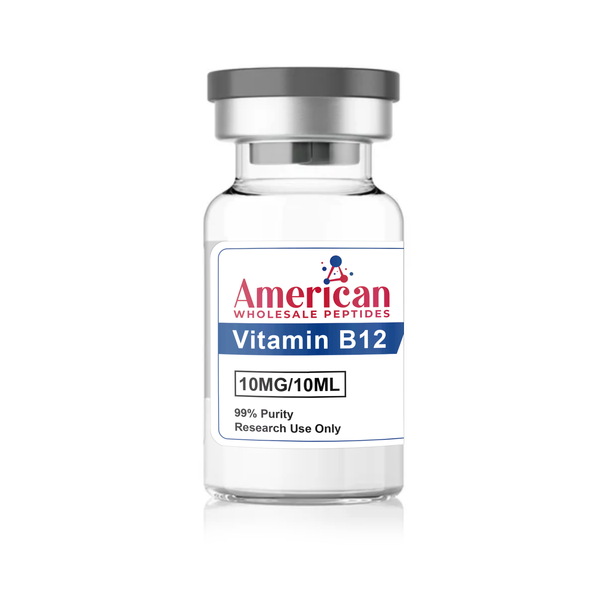
Vitamin B12 10MG/10ML
$39.99
- Vitamin B12 (Cyanocobalamin) 10mg / 10mL laboratory research compound.
- Supplied as a liquid solution for studies involving methylation pathways, mitochondrial metabolism, neurological signaling, and hematological research models.
- Unit Size: 10mg total (1mg/mL, 10mL vial)
- Type: Cobalamin cofactor compound
- Molecular Weight: ~1355.4 g/mol
- Form: Liquid solution
- Use: For in vitro laboratory research only
“`
In stock
Description
“`html
Vitamin B12 (Cyanocobalamin) | 10mg / 10mL | Cobalamin Compound
Description
Vitamin B12 (Cyanocobalamin) is a water-soluble compound belonging to the cobalamin family and is widely studied in biochemical and cellular research. It functions as an essential cofactor in numerous metabolic reactions, particularly those involving DNA synthesis, methylation pathways, and cellular energy metabolism.
In laboratory models, cyanocobalamin is commonly investigated for its role in enzymatic reactions involving methyl group transfer and nucleotide synthesis. These processes are fundamental to cellular replication, metabolic regulation, and the maintenance of normal biochemical pathways.
Vitamin B12 is also frequently examined in research involving mitochondrial enzyme activity, neurological signaling pathways, and hematological cellular models. Due to its importance in cellular metabolism and biochemical signaling, it remains a widely utilized compound in metabolic, neurological, and molecular biology research environments.
This vial contains 10mg of Vitamin B12 (Cyanocobalamin) in a 10mL liquid solution intended strictly for controlled in vitro laboratory research applications.
Specifications
- Unit Size: 1mg/mL (10mg total, 10mL liquid vial)
- Molecular Formula: C63H88CoN14O14P
- Molecular Weight: ~1355.4 g/mol
- Form: Liquid solution
- Storage: Store refrigerated at 2–8 °C, protected from light
Research Applications
Methylation and DNA Synthesis Research
Vitamin B12 is commonly utilized in laboratory research examining methyl group transfer reactions and nucleotide synthesis pathways. Researchers study its role as a cofactor in biochemical processes that regulate DNA replication and cellular metabolism.
Mitochondrial Function and Energy Metabolism Research
In vitro studies frequently investigate cyanocobalamin’s involvement in mitochondrial enzyme activity and cellular energy production. These applications support research into metabolic regulation and mitochondrial efficiency within biochemical systems.
Neurological Signaling Research
Vitamin B12 is also used in experimental models exploring neurological signaling pathways and cellular mechanisms associated with nerve cell function and myelin-related biochemical processes.
Hematological and Cellular Differentiation Research
Laboratory models may examine Vitamin B12 in studies related to red blood cell formation, hematopoietic pathway signaling, and cellular differentiation mechanisms in controlled experimental systems.
Metabolic Pathway Regulation Research
Because of its role in multiple enzymatic reactions, Vitamin B12 is frequently studied in metabolic pathway analysis involving cofactor-dependent reactions, nutrient metabolism, and biochemical signaling regulation.
Intended Use
Intended strictly for in vitro laboratory research use.
Legal Disclaimer
This product has not been evaluated by the U.S. Food and Drug Administration. No claims are made regarding the treatment, diagnosis, cure, or prevention of any disease. All information provided is intended strictly for scientific and educational purposes only.
Terms of Sale
All sales are final