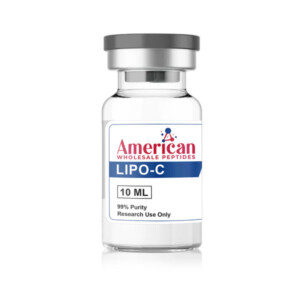

SS-31 “MTP-31”
$55.99
- MTP-31 10mg mitochondria-targeted tetrapeptide for laboratory research.
- Supplied as a lyophilized powder for studies involving mitochondrial membrane stability, cardiolipin interactions, oxidative stress pathways, and cellular bioenergetics.
- Unit Size: 10MG (lyophilized powder, single vial)
- Type: Mitochondria-targeted tetrapeptide
- Molecular Weight: ~751.97 Da
- Form: Crystalline lyophilized peptide
- Use: For in vitro laboratory research only
- Use: For in vitro laboratory research only
In stock
Description
SS-31 “MTP-31” | 10mg | Mitochondria-Targeted Tetrapeptide
Description
MTP-31 is a synthetic mitochondria-targeting tetrapeptide engineered to interact with the inner mitochondrial membrane. The peptide demonstrates high affinity for cardiolipin, a phospholipid uniquely enriched within mitochondrial membranes that plays a critical role in maintaining mitochondrial structure and electron transport chain stability. Because cardiolipin integrity is closely linked to mitochondrial energy production, MTP-31 has become a valuable compound in laboratory studies investigating mitochondrial structural dynamics and cellular bioenergetics.
In experimental systems, MTP-31 is utilized to explore mechanisms related to mitochondrial membrane stability, reactive oxygen species (ROS) generation, and ATP synthesis efficiency. By associating with cardiolipin-rich regions of the inner mitochondrial membrane, the peptide is frequently examined in models designed to analyze mitochondrial stress responses, metabolic signaling, and cellular resilience during oxidative or metabolic stress conditions.
Research involving mitochondria-targeted peptides such as MTP-31 contributes to broader investigations into cellular energy regulation, mitochondrial dysfunction, and intracellular signaling pathways associated with oxidative stress. These characteristics make the peptide a useful experimental tool in advanced in vitro studies focused on mitochondrial biology and metabolic regulation.
This vial contains 10mg of lyophilized MTP-31 peptide intended strictly for controlled in vitro laboratory research applications.
Specifications
- Unit Size: 10mg (lyophilized powder, single vial)
- Amino Acid Length: Tetrapeptide (4 amino acids)
- Molecular Weight: ~751.97 Da
- Form: Crystalline lyophilized peptide
- Solubility: Soluble in sterile water or compatible aqueous laboratory buffers
- Storage: Store dry at 2–8°C, protected from light and moisture
Research Applications
Mitochondrial Membrane Stability Research
MTP-31 is commonly investigated in laboratory models designed to analyze mitochondrial membrane structure and cardiolipin stability. By interacting with cardiolipin within the inner mitochondrial membrane, the peptide is used to explore mechanisms involved in maintaining mitochondrial membrane architecture during oxidative or metabolic stress.
Mitochondrial Bioenergetics and ATP Production Studies
Researchers utilize MTP-31 in experimental systems evaluating mitochondrial energy production. Studies may examine how cardiolipin-associated peptides influence electron transport chain efficiency, mitochondrial respiration, and ATP generation under varying metabolic conditions.
Reactive Oxygen Species and Oxidative Stress Research
MTP-31 is frequently incorporated into cellular models designed to measure mitochondrial-derived reactive oxygen species (ROS). These studies investigate oxidative stress pathways, mitochondrial damage responses, and the cellular mechanisms that regulate redox balance.
Cardiolipin Interaction and Membrane Protection Assays
Laboratory experiments may utilize MTP-31 to study peptide–lipid interactions within mitochondrial membranes. Such research can provide insights into cardiolipin stabilization, membrane permeability dynamics, and the structural factors that influence mitochondrial resilience during metabolic stress.
Cellular Energy Regulation and Stress Signaling
MTP-31 is also examined in models of cellular stress and metabolic signaling. Research may focus on how mitochondrial integrity influences broader cellular energy regulation pathways and intracellular signaling networks associated with mitochondrial function.
Intended Use
Intended strictly for in vitro laboratory research use.
Legal Disclaimer
This product has not been evaluated by the U.S. Food and Drug Administration. No claims are made regarding the treatment, diagnosis, cure, or prevention of any disease. All information provided is intended strictly for scientific and educational purposes only.
Terms of Sale
All sales are final